



MetroCentre / BMO Harris Bank Center
From Downtown Doubt to a Regional Gathering Place & Economic Driver
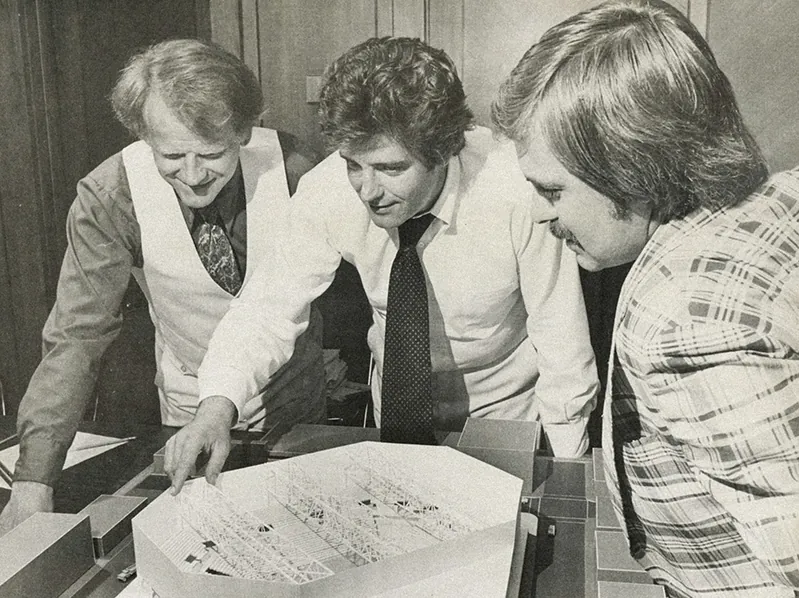
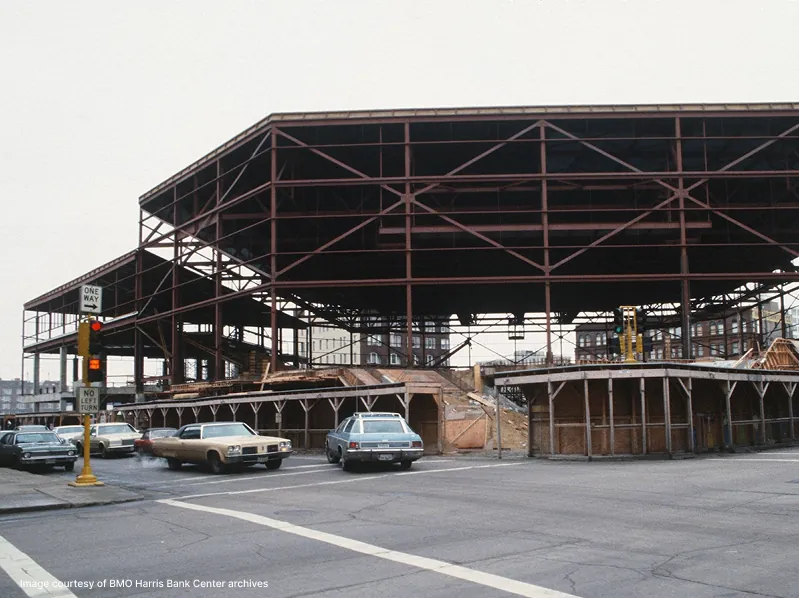
The creation of the MetroCentre—now the BMO Harris Bank Center—marked one of the boldest public decisions in downtown Rockford’s modern history. Conceived and built at a time when the region was experiencing severe economic distress–with manufacturing jobs disappearing across the Midwest and local unemployment reaching historic highs–he arena represented a deliberate choice to invest in downtown rather than retreat from it.
Many argued the arena should be built near the tollway on the city’s east side, closer to perceived growth and visitor convenience. Instead, civic leaders and engaged citizens prevailed in placing it downtown. They believed that shared experiences, cultural gravity and visible confidence could help stabilize the city’s core even amid uncertainty. Crucially, the project was made possible largely through the ingenuity and resolve of local mayor John McNamara and state representative Zeke Giorgi, who helped secure a novel funding mechanism using parimutuel betting revenue, turning an unlikely source of state revenue into a catalytic civic investment.
What
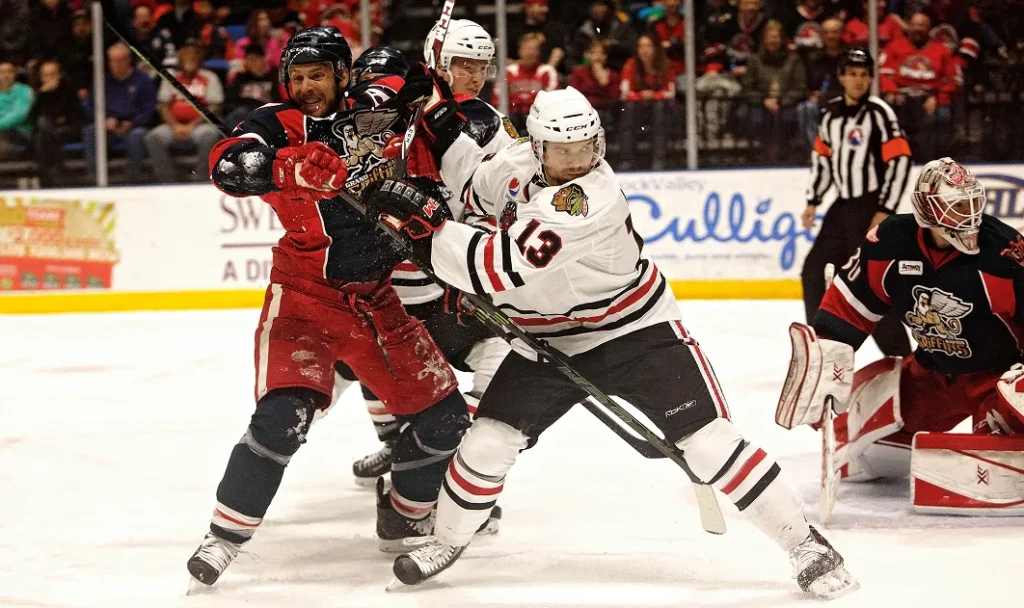
When the MetroCentre opened in 1981, it did not “fix” downtown overnight, and in fact it was never intended to. But it changed the rhythm of the city at a moment when confidence was shaken by international events and circumstances. Concert nights, basketball games, family shows and regional events brought thousands of people downtown after dark, many for the first time in years. Restaurants stayed open later. Streets filled. Downtown felt more visible and friendly.
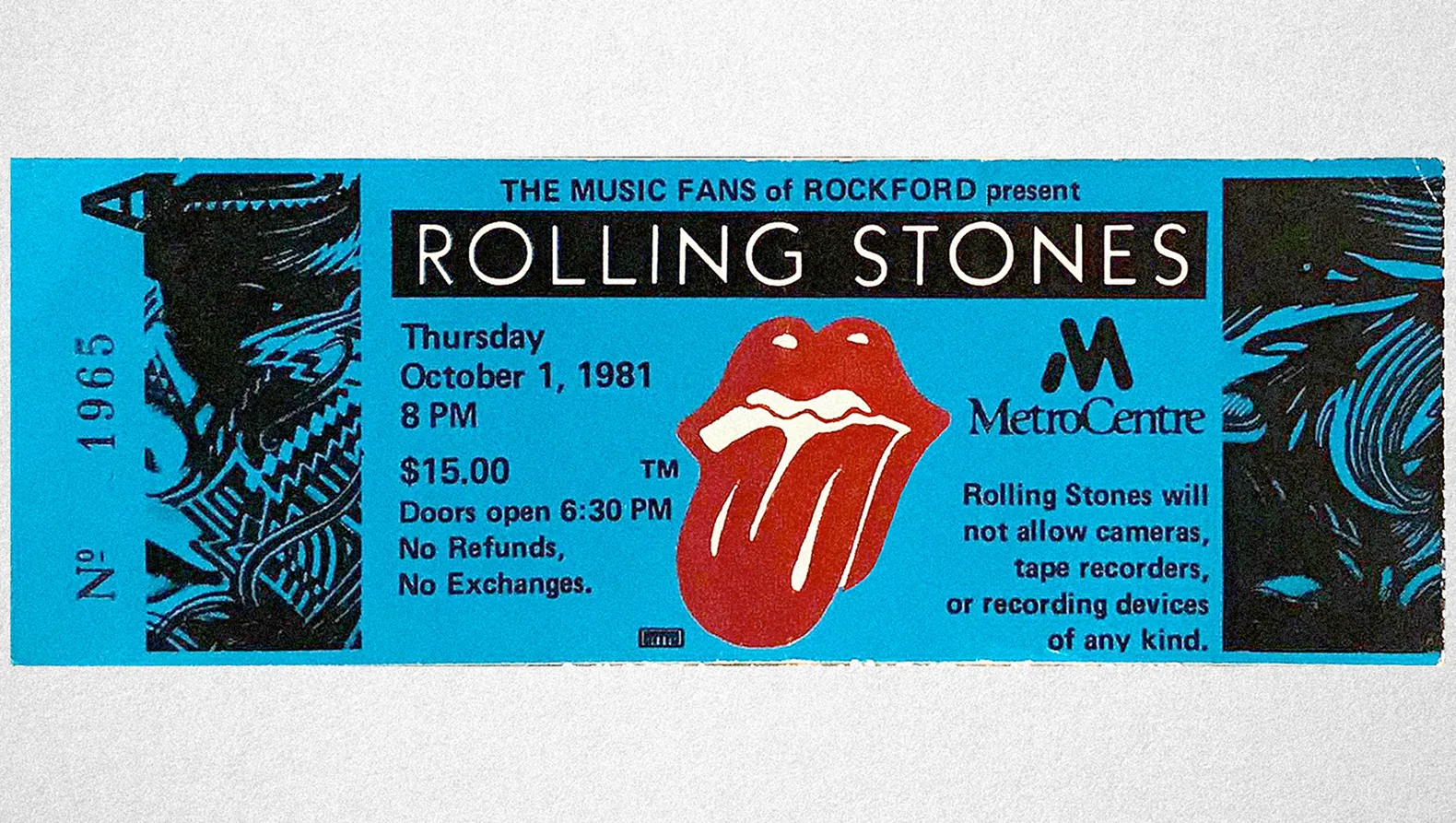
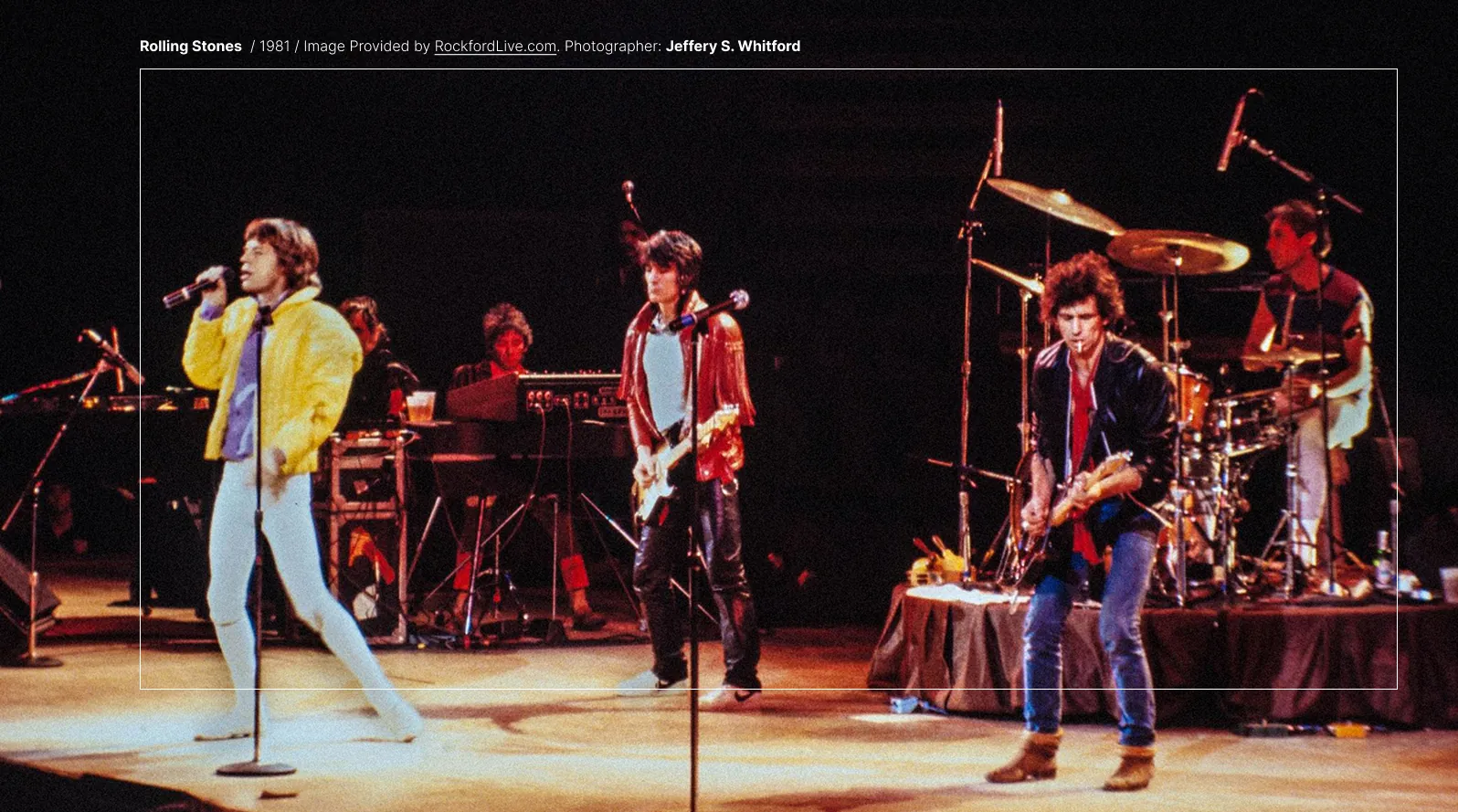
Under the early leadership of founding general manager Doug Logan, the arena was positioned not just as an events venue, but as a regional draw–deliberately programmed to attract diverse audiences and repeat visitation, even attracting, against all odds, the Rolling Stones to Rockford during the band’s Steel Wheels tour on October 1, 1981. The act was attracted by an improbable co-promotion with a local radio station and friendly pressure placed on Stone’s promoter Bill Graham by Logan. Over time, the MetroCentre became a platform that made other investments possible, reinforcing the idea that downtown Rockford could once again host big moments, shared memories and sustained activity.
Where
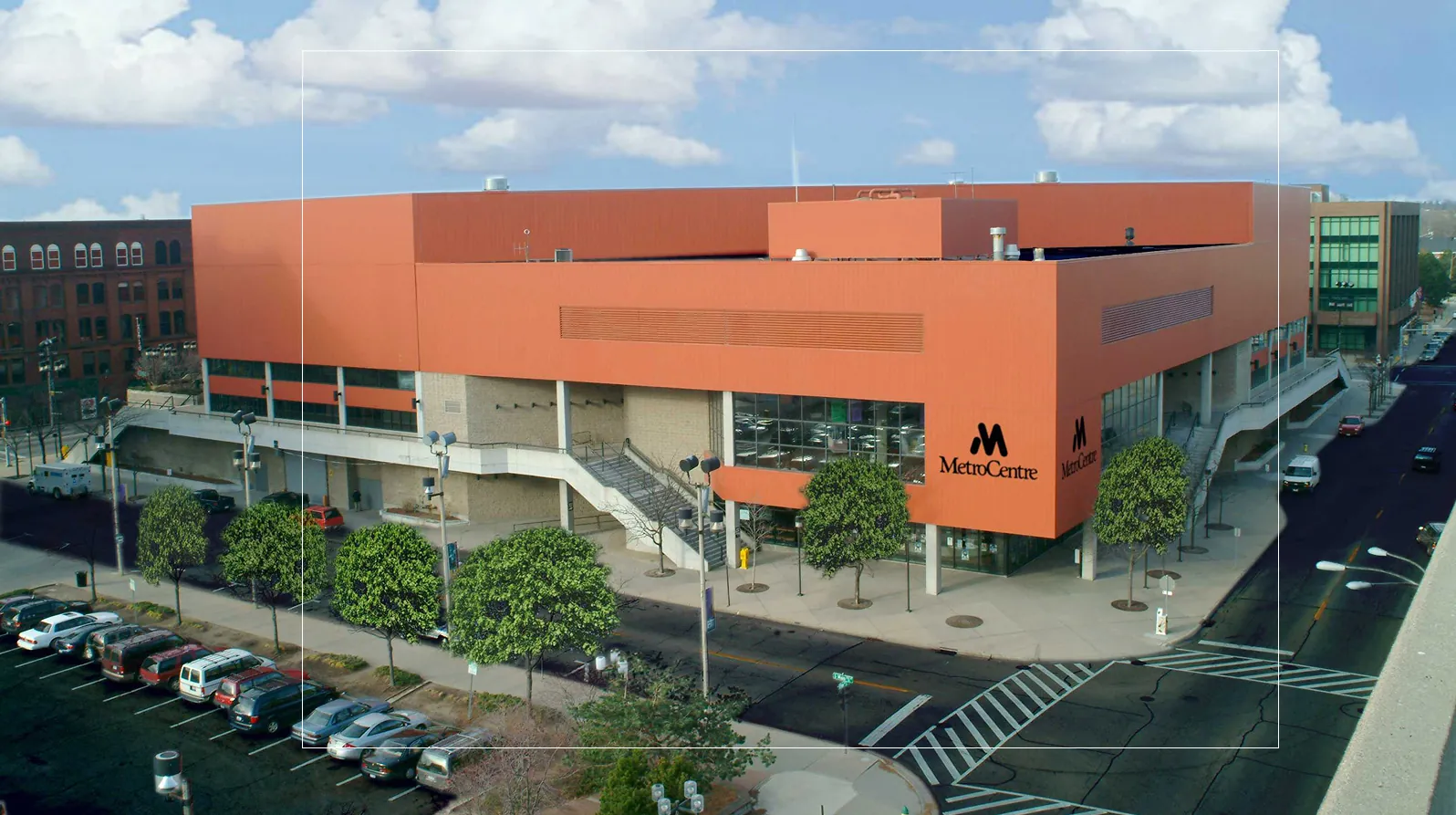
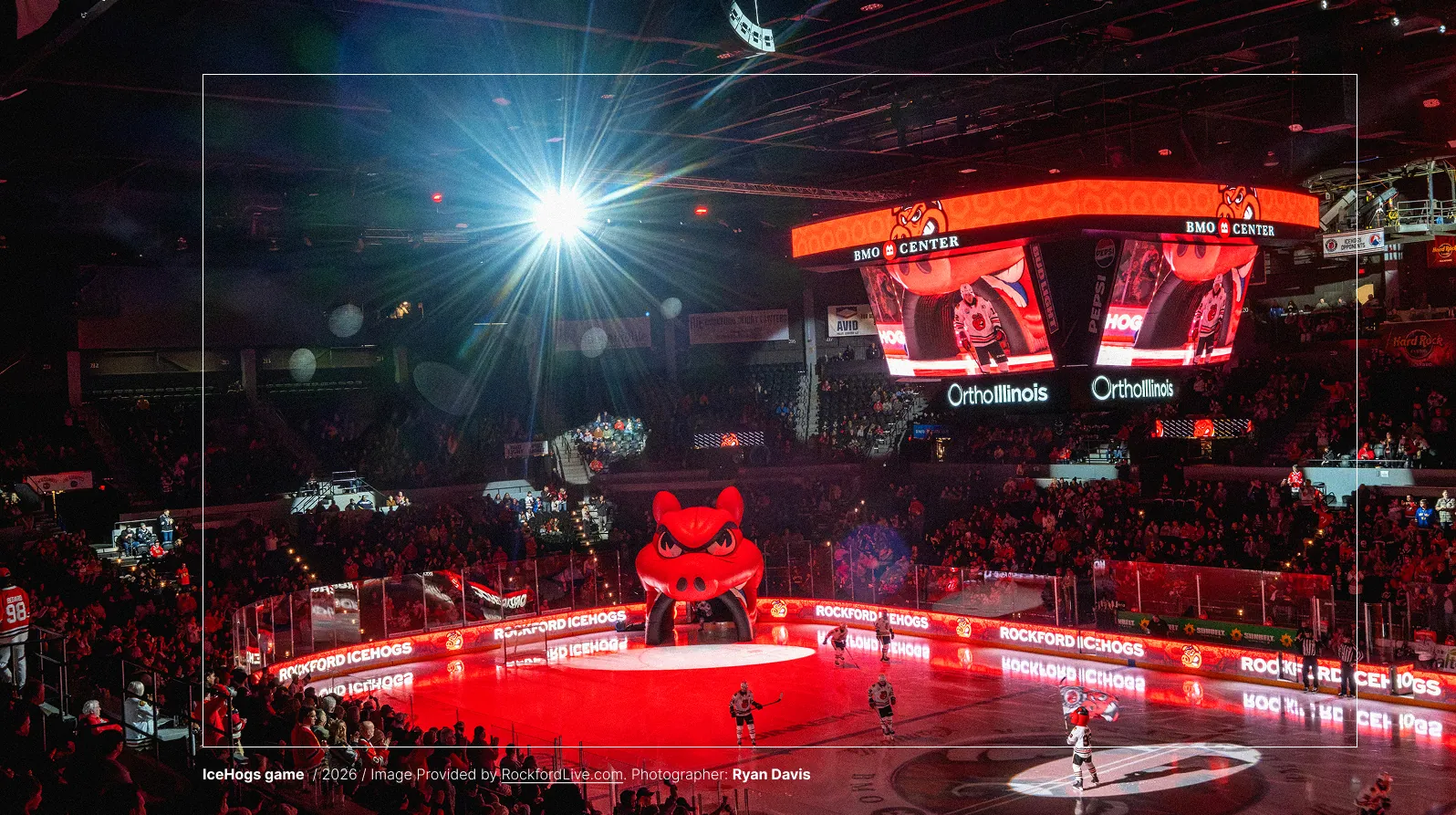
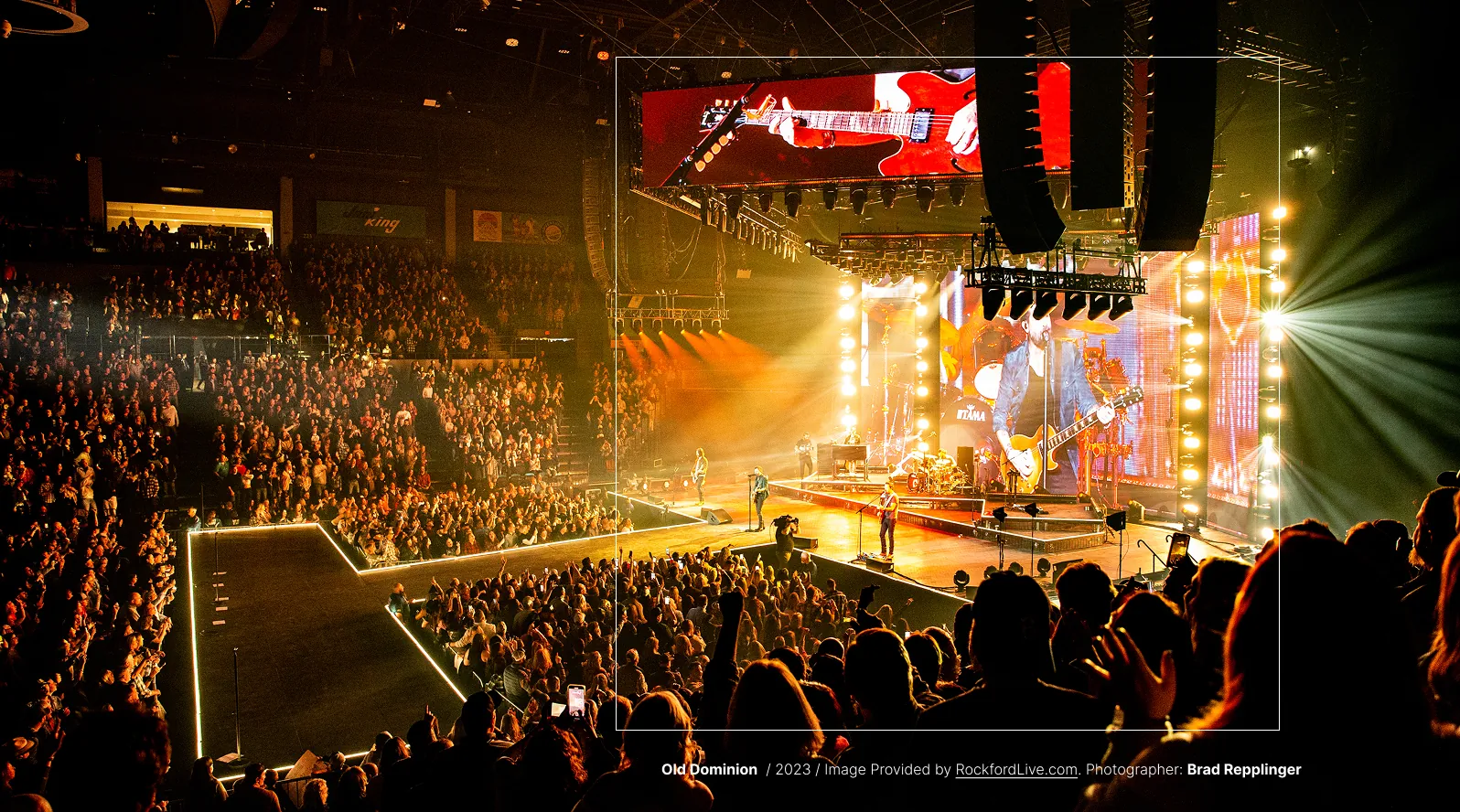
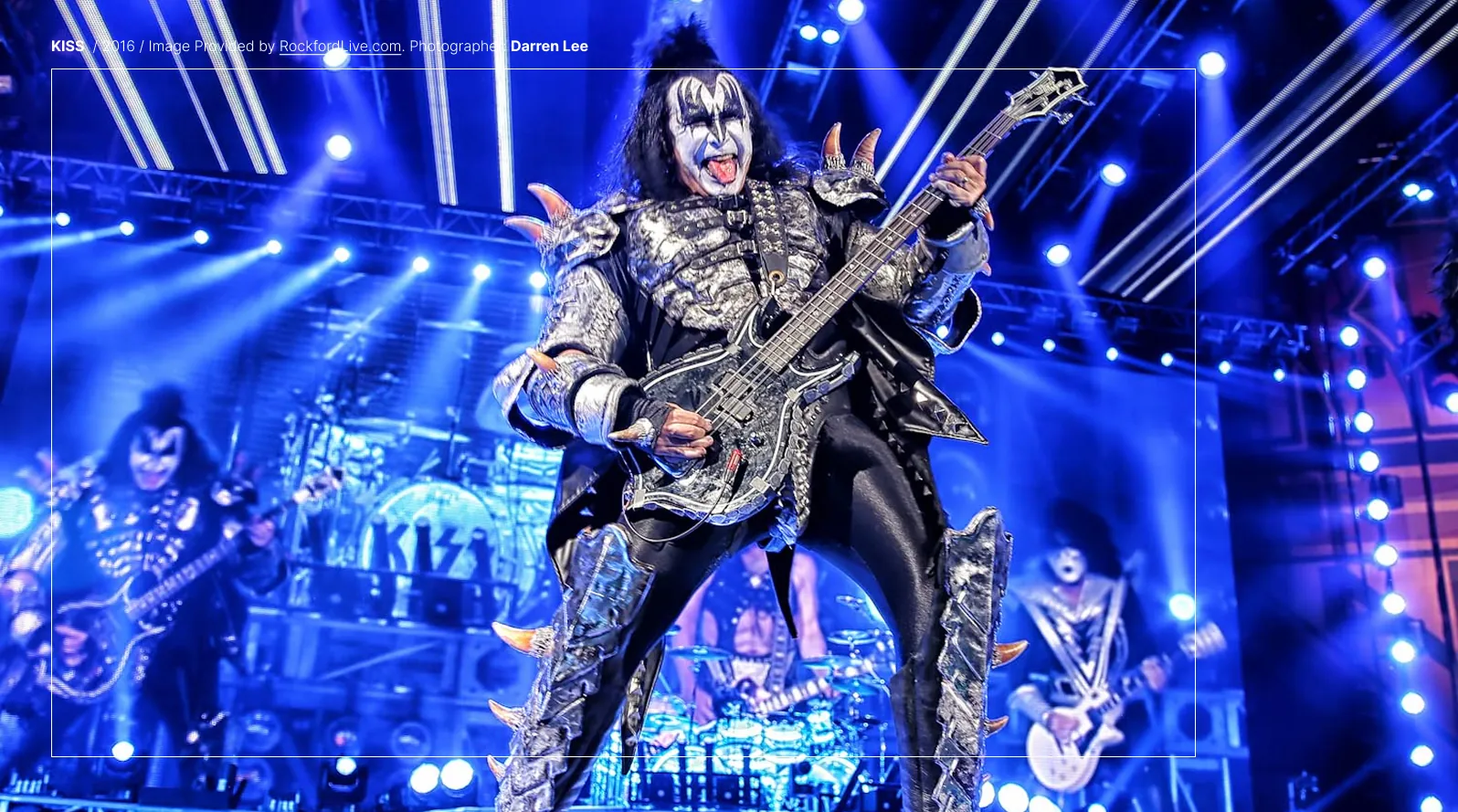
Built during a period of historic unemployment and industrial loss, the MetroCentre/BMO Harris Bank Center was a decision to believe in downtown when confidence was hard to find anywhere in the community.